الحلقات النقاشية لطلبة الدكتوراه-مرحلة البحث
عدد الزيارات: 33419780 مشاهدة
بواسطة: قسم هندسة الطب الحياتي
تاريخ النشر: 2025-04-29
اخر تصفح: 2025-12-16
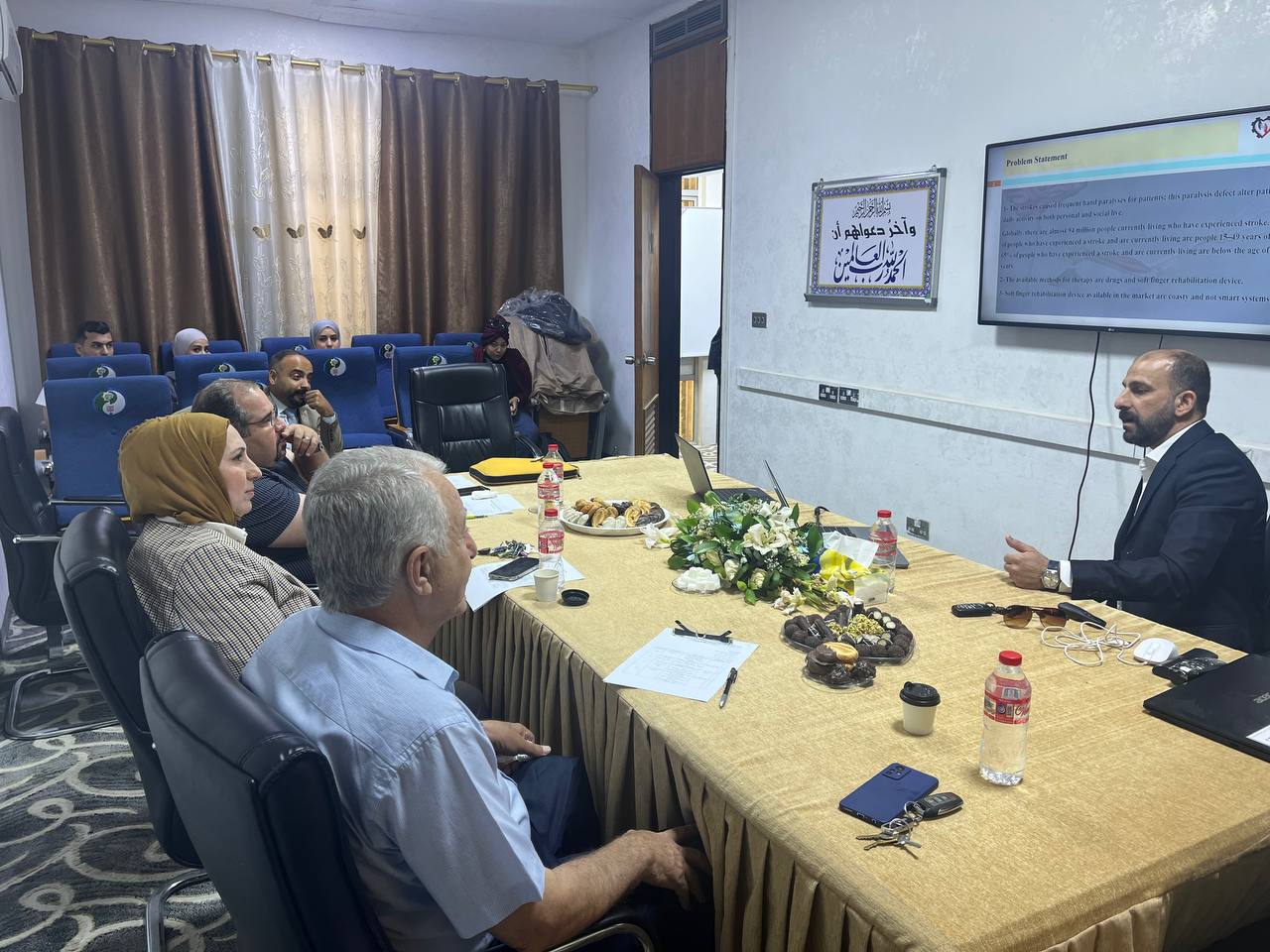
أقام قسم هندسة الطب الحياتي في كلية الهندسة–جامعة النهرين وبرعاية كريمة من السيد عميد كلية الهندسة الأستاذ الدكتور أياد مراد طخاخ المحترم وبأشراف السيدة رئيس قسم هندسة الطب الحياتي الأستاذ المساعد الدكتورة أنس قصي هاشم المحترمة الحلقات النقاشية العلمية لطلبة الدكتوراه،في قسم هندسة الطب الحياتي وذلك في إطار متابعة وتقدم بحوثهم العلمية وتبادل الآراء الأكاديمية بين الطلبة والأساتذة. تهدف هذه الحلقات النقاشية إلى متابعة مراحل تقدم الطلبة في بحوثهم العلمية، وتوفير بيئة تفاعلية تتيح تبادل الآراء ووجهات النظر الأكاديمية بين الطلبة وأعضاء الهيئة التدريسية، مما يسهم في تطوير مهارات العرض العلمي والنقد البنّاء لدى الباحثين، ويعزز من جودة الرسائل والأطروحات المقدّمة. وتُعد هذه الحلقات أحد الأعمدة الأساسية في البرامج الدراسية للدراسات العليا، إذ تُسهم في تنمية القدرات البحثية، ورفع كفاءة الطلبة في مناقشة الأفكار العلمية وتلقي الملاحظات والتوجيهات التي من شأنها الارتقاء بالمستوى العلمي والبحثي، بما ينسجم مع تطلعات القسم في رفد المجتمع الأكاديمي بكفاءات رصينة. The Department of Biomedical Engineering at the College of Engineering – Al-Nahrain University, under the generous patronage of the Dean of the College of Engineering, Prof. Dr. Iyad Murad Takhakh, and under the supervision of the Head of the Biomedical Engineering Department, Assistant Professor Dr. Anas Qusay Hashim, held scientific discussion seminars for PhD students in the department. These seminars were organized as part of the department’s ongoing efforts to monitor the students’ research progress and facilitate academic dialogue between students and faculty members. The main objective of these seminars is to track the development stages of students’ scientific research, while providing an interactive environment for exchanging academic views and perspectives. This contributes to the enhancement of students’ presentation skills and ability to receive constructive feedback, ultimately improving the quality of the submitted theses and dissertations.
These seminars are considered one of the fundamental pillars of postgraduate study programs, as they contribute to the development of research capabilities, enhance students’ proficiency in discussing scientific ideas, and enable them to receive guidance and feedback that help raise their academic and research levels. This aligns with the department’s vision to supply the academic community with highly qualified and competent researchers.


