زيارة علمية الى كلية الذكاء الأصطناعي في جامعة بغداد
عدد الزيارات: 27190064 مشاهدة
بواسطة: قسم هندسة الطب الحياتي
تاريخ النشر: 2026-04-21
اخر تصفح: 2026-07-28
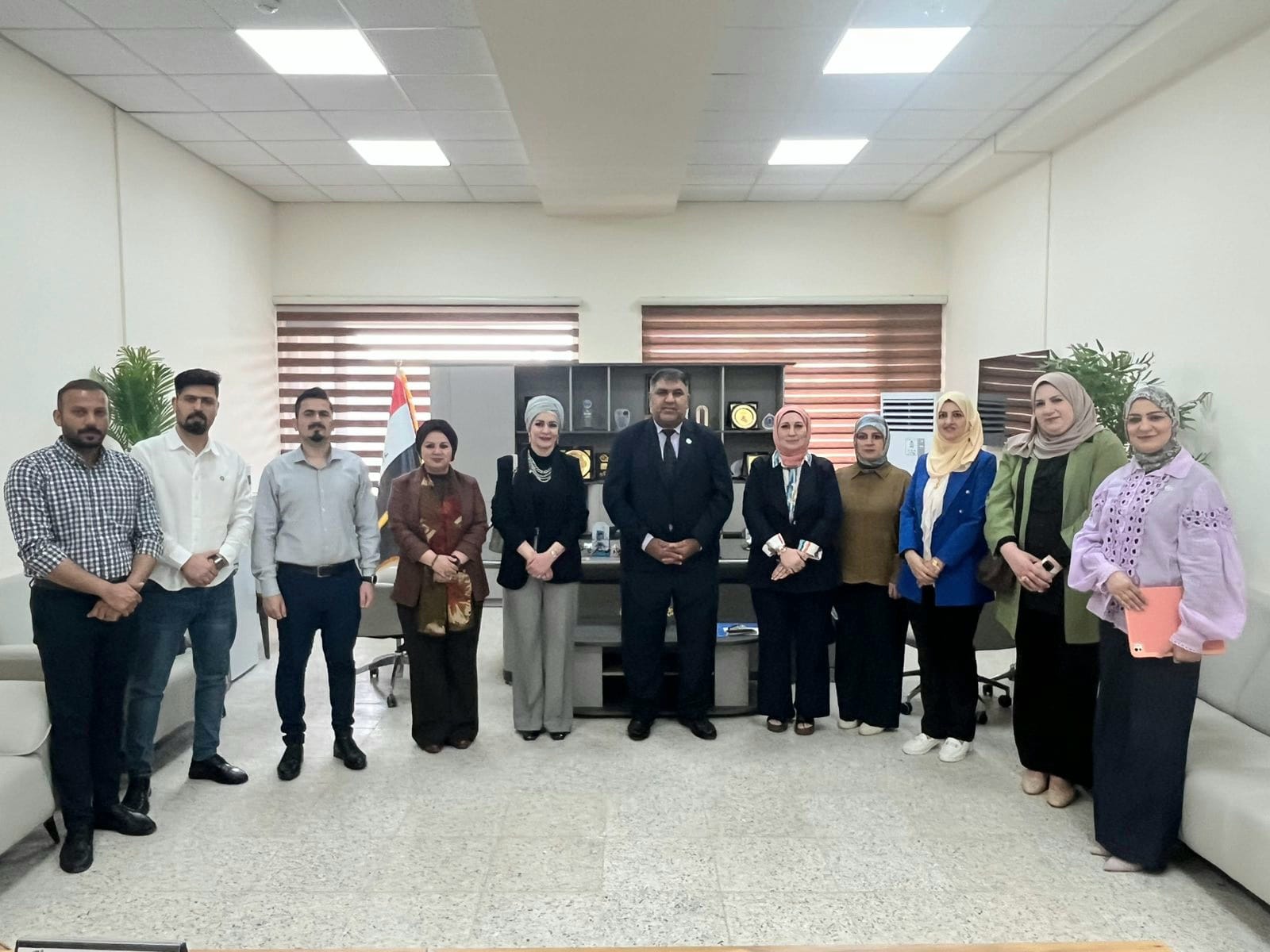
نظم قسم هندسة الطب الحياتي في كلية الهندسة – جامعة النهرين زيارة علمية إلى كلية الذكاء الاصطناعي في جامعة بغداد، وذلك يوم الثلاثاء الموافق 21/4/2026، بمشاركة السيدة رئيس القسم الأستاذ الدكتورة أنس قصي هاشم المحترمة وعدد من تدريسيي القسم. The Department of Biomedical Engineering at the College of Engineering – Al-Nahrain University organized a scientific visit to the College of Artificial Intelligence at University of Baghdad on Tuesday, April 21, 2026, with the participation of the respected Head of the Department, Professor Dr. Anas Qusay Hashim, along with a number of faculty members. The visit aimed to strengthen scientific and research collaboration between both sides and to explore the latest technologies and applications in the field of artificial intelligence, particularly those that can be applied to biomedical disciplines. The visit also included a tour of the college laboratories, where participants were introduced to ongoing research projects and academic programs, in addition to discussions on integrating artificial intelligence technologies into biomedical engineering curricula in line with global advancements. The visit featured scientific meetings with faculty members of the College of Artificial Intelligence, during which expertise was exchanged and opportunities for joint collaboration in research were discussed. These included organizing workshops and training courses, as well as the possibility of co-supervising graduation projects and postgraduate studies. At the conclusion of the visit, both parties expressed their aspiration to expand future cooperation in a way that contributes to the development of educational and research processes, and enhances the integration between artificial intelligence and biomedical engineering to serve society and the healthcare sector.
وهدفت الزيارة إلى تعزيز التعاون العلمي والبحثي بين الجانبين، والاطلاع على أحدث التقنيات والتطبيقات في مجال الذكاء الاصطناعي، ولا سيما تلك التي يمكن توظيفها في خدمة التخصصات الطبية الحيوية. كما تضمنت الزيارة جولة في مختبرات الكلية والتعرف على المشاريع البحثية والبرامج التعليمية المعتمدة، فضلاً عن مناقشة سبل دمج تقنيات الذكاء الاصطناعي في مناهج هندسة الطب الحياتي بما يواكب التطورات العالمية.
وشهدت الزيارة عقد لقاءات علمية مع أساتذة كلية الذكاء الاصطناعي، تم خلالها تبادل الخبرات وبحث فرص التعاون المشترك في مجالات البحث العلمي، وتنظيم ورش العمل والدورات التدريبية، إضافة إلى إمكانية الإشراف المشترك على مشاريع التخرج والدراسات العليا.
وفي ختام الزيارة، أعرب الجانبان عن تطلعهما إلى توسيع آفاق التعاون المستقبلي بما يسهم في تطوير العملية التعليمية والبحثية، ويعزز من التكامل بين تخصصات الذكاء الاصطناعي وهندسة الطب الحياتي لخدمة المجتمع والقطاع الصحي


