Visitors: 27229557 Views
Done By: Department of Biomedical Engineering
Post Date: 2026-05-11
Last Browse: 2026-07-29
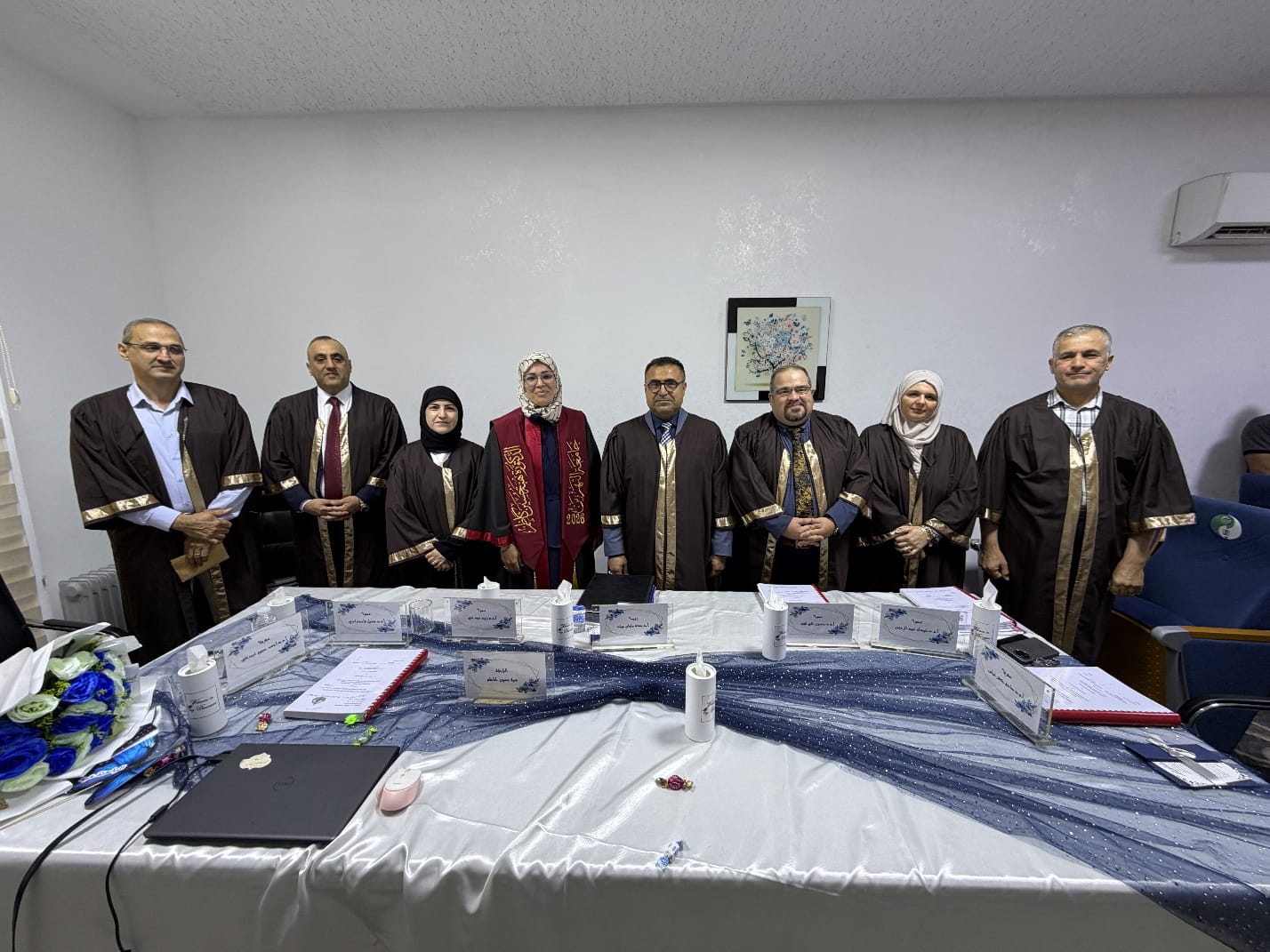
“Study and Analysis of Ultrasonic Waves in Destruction of Bone Cement” The examination committee consisted of: The dissertation aimed to employ the Extracorporeal Shock Wave Lithotripsy (ESWL) device in fragmenting Polymethyl Methacrylate (PMMA) bone cement used in the fixation of artificial joints. This was achieved by applying high-intensity, non-contact shock waves, which help reduce direct friction with the bone and shorten surgical time during joint revision and replacement procedures. This technique is considered particularly important for elderly patients and individuals suffering from osteoporosis, as current conventional methods rely on manual and mechanical tools that directly contact the bone, potentially causing bone fractures or perforation of the bone cortex. Significant results were achieved through varying the device’s operational parameters, including the number of pulses, intensity, and frequency. The findings demonstrated that shock wave technology is capable of causing structural damage to medical bone cement and effectively fragmenting it. The medical cement sample was successfully fragmented within 25.5 minutes, which is considerably shorter than the time typically required by surgeons using conventional mechanical tools.
The dissertation was accepted as it fulfilled the requirements for obtaining a PhD degree in Biomedical Engineering.The Department of Biomedical Engineering at the College of Engineering – Al-Nahrain University held the PhD dissertation defense of student Hiba Hussein Kazem on Monday, 11/5/2026, for her dissertation entitled:
(President of Al-Karkh University for Science)
(College of Engineering – Al-Nahrain University)
(College of Engineering – Al-Nahrain University)
(Middle Technical University – Technical College)
(College of Medicine – Al-Nahrain University)
(College of Engineering – Al-Nahrain University)
(College of Medicine – Al-Nahrain University)