Visitors: 31976565 Views
Done By: Artificial Intelligence and Robotics Department
Post Date: 2026-02-10
Last Browse: 2026-06-10
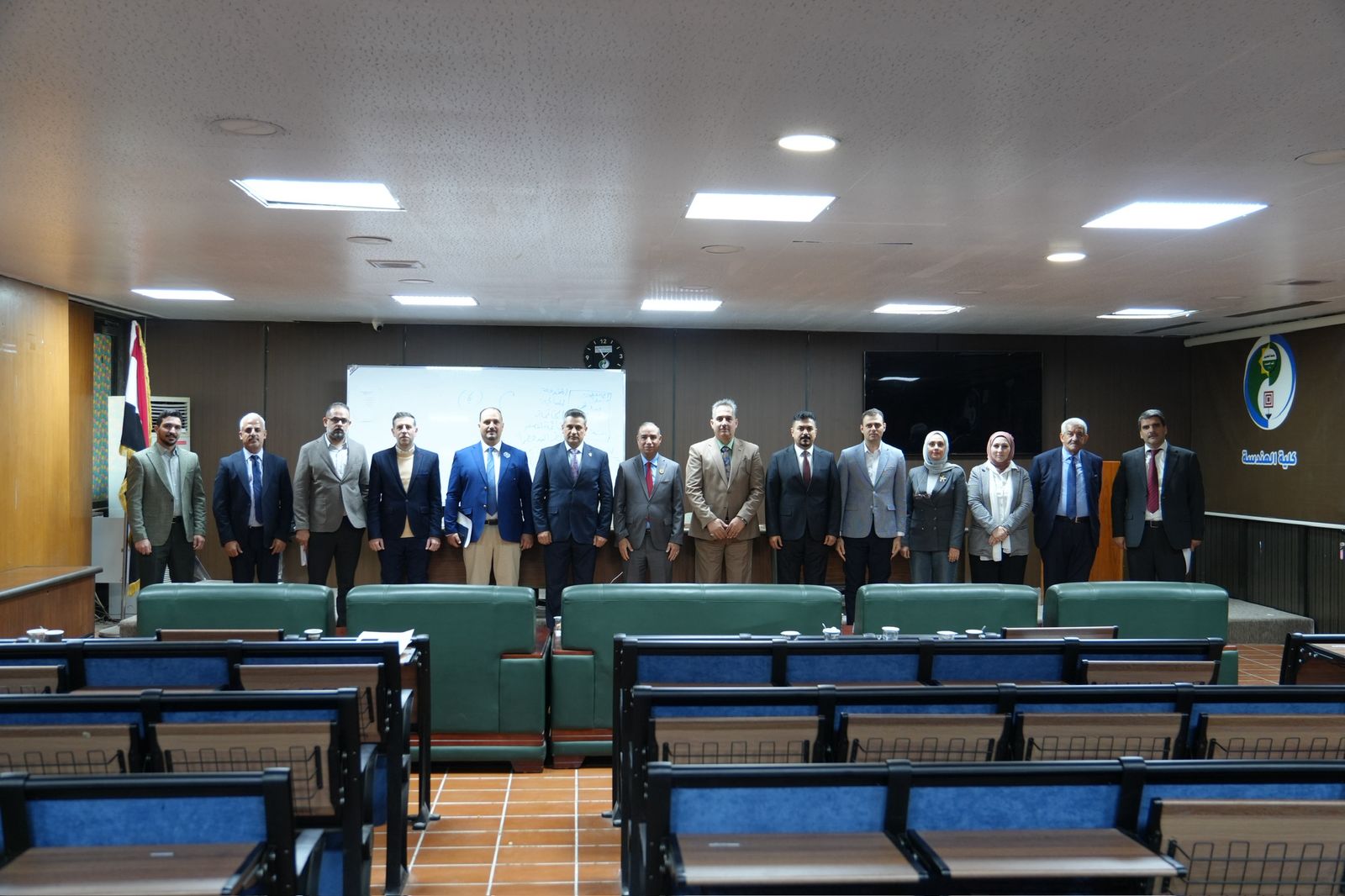
The Department of Artificial Intelligence and Robotics Engineering
at the College of Engineering, Al-Nahrain University, actively participated in
the Industrial Advisory Council meeting held on Tuesday morning, February 10,
2026, in Al-Rafidain Hall. The meeting was attended by the Dean of the College,
Professor Dr. Iyad Murad Takhakh, along with a distinguished group of
representatives from industrial sectors and relevant state institutions, in
addition to faculty members and representatives of academic departments. The meeting also included a visit from the President of Al-Nahrain
University, Professor Dr. Ali Al-Shawi, who presented remarks and directives
emphasizing the importance of strengthening universities’ roles in supporting
national development and aligning engineering education outcomes with labor
market needs. He expressed his wishes for the council’s success in achieving
its future goals. Furthermore, the Assistant President of the University for
Administrative Affairs, Professor Dr. Alaa Hussein Abd, participated and
delivered contributions supporting the enhancement of partnerships between the
university and the industrial sector, as well as the development of mechanisms
for joint cooperation.
The meeting featured discussions on following up the implementation
of previous recommendations and a review of the college’s key achievements in
institutional cooperation, practical training programs, curriculum
modernization, and linking graduation projects to real industrial challenges.
It also highlighted digital transformation initiatives and the Industrial
Partnership Platform, within the college’s ongoing efforts — together with its
academic departments — to strengthen engagement with the industrial sector and
improve the alignment of educational outcomes with labor market requirements.